I feel a bit restless today.
It’s one of those days when memories return without being invited, and your mind starts stitching together scenes you thought you’d filed away.
Over the years, I have watched two very different kinds of academic lives unfold.
I’ve known colleagues who were extraordinary mentors. They invested in students, built programmes, held departments together, supervised with care, taught with brilliance and carried the invisible weight of the institution.
And yet… many of them could not move beyond Senior Lecturer. Not because they weren’t excellent, but because their excellence didn’t translate into the currency the system recognises.
And then I watched others, who invested almost entirely in their own research...said no more often... supervised less... chose collaborations strategically and guarded their time as if it were a finite life-saving resource. And they became Professors early.
I don’t say this with judgment. I say it with a kind of tired clarity.
Because I still remember a morning at work when the university building was cordoned off. Police outside. A strange hush in the air. We gathered, confused, and then we were told a colleague had taken his own life.
It stayed with me as a brutal reminder of what pressure and invisibility can do to a human being. This colleague had poured himself into the institution. He carried the kind of work that keeps universities running. But research progress didn’t keep pace. And the system does not forgive that.
Sometimes I think academia is an odd place to work, because it is built on teaching and learning — yet so often it rewards the things that are easiest to count.
Not the teacher who changes a student’s life.
Not the supervisor who holds someone through doubt and heartbreak and the long loneliness of a PhD.
Not the colleague who builds community.
We clap for those things. We give awards for them...But we rarely promote them.
And so what message do we give early career scholars?
Guard your time.
Optimise your pipeline.
Invest in yourself.
So then the question becomes painfully practical:
Do you keep giving even when the system won’t reward it? at the cost of your own progression?
And if you do… how do you avoid becoming bitter?
Because I have seen what bitterness does in universities.
I have seen how unacknowledged people start hurting others — not because they are cruel, but because they are exhausted, disappointed, and quietly grieving the careers they thought they were building.
I don’t have answers today.
Just a restless reminder that behind every CV there is a body. A nervous system. A finite life...and maybe what I’m really trying to say, to myself, as much as anyone, is this:
If we don’t change what we reward, we will keep producing brilliant people who feel unseen…strategic people who survive…institutions that are functional on paper, but hollow for what matters.
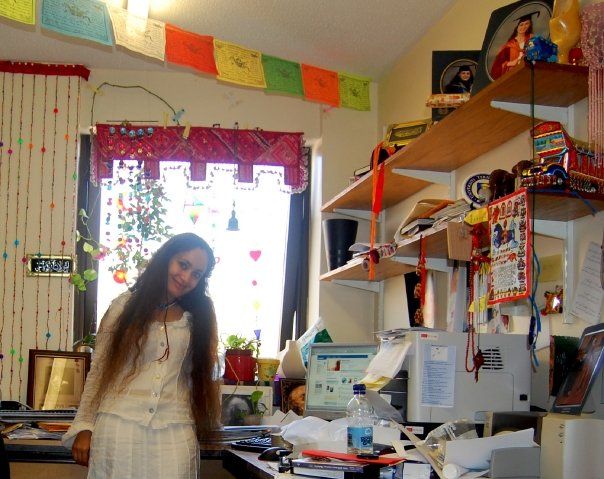
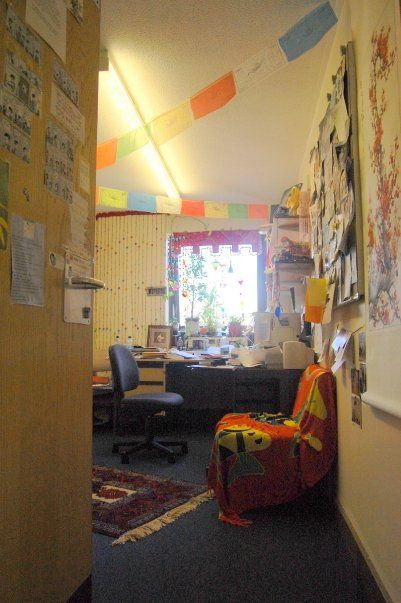
Photo: A Naive me in 2005
It’s one of those days when memories return without being invited, and your mind starts stitching together scenes you thought you’d filed away.
Over the years, I have watched two very different kinds of academic lives unfold.
I’ve known colleagues who were extraordinary mentors. They invested in students, built programmes, held departments together, supervised with care, taught with brilliance and carried the invisible weight of the institution.
And yet… many of them could not move beyond Senior Lecturer. Not because they weren’t excellent, but because their excellence didn’t translate into the currency the system recognises.
And then I watched others, who invested almost entirely in their own research...said no more often... supervised less... chose collaborations strategically and guarded their time as if it were a finite life-saving resource. And they became Professors early.
I don’t say this with judgment. I say it with a kind of tired clarity.
Because I still remember a morning at work when the university building was cordoned off. Police outside. A strange hush in the air. We gathered, confused, and then we were told a colleague had taken his own life.
It stayed with me as a brutal reminder of what pressure and invisibility can do to a human being. This colleague had poured himself into the institution. He carried the kind of work that keeps universities running. But research progress didn’t keep pace. And the system does not forgive that.
Sometimes I think academia is an odd place to work, because it is built on teaching and learning — yet so often it rewards the things that are easiest to count.
Not the teacher who changes a student’s life.
Not the supervisor who holds someone through doubt and heartbreak and the long loneliness of a PhD.
Not the colleague who builds community.
We clap for those things. We give awards for them...But we rarely promote them.
And so what message do we give early career scholars?
Guard your time.
Optimise your pipeline.
Invest in yourself.
So then the question becomes painfully practical:
Do you keep giving even when the system won’t reward it? at the cost of your own progression?
And if you do… how do you avoid becoming bitter?
Because I have seen what bitterness does in universities.
I have seen how unacknowledged people start hurting others — not because they are cruel, but because they are exhausted, disappointed, and quietly grieving the careers they thought they were building.
I don’t have answers today.
Just a restless reminder that behind every CV there is a body. A nervous system. A finite life...and maybe what I’m really trying to say, to myself, as much as anyone, is this:
If we don’t change what we reward, we will keep producing brilliant people who feel unseen…strategic people who survive…institutions that are functional on paper, but hollow for what matters.
Photo: A Naive me in 2005